The resolution process is an important part of the SSCCC governance 

The Student Senate for California Community Colleges is a nonprofit organization that is guided by its membership -- Delegates from each of the 116 California Community College student body associations. Students from across the state bring resolutions to the annual General Assembly for consideration. 

The resolutions passed by the Delegate Assembly guide the vision and priorities of the SSCCC. Below is a list of the most recent resolutions passed by the delegates since Fall 2007.
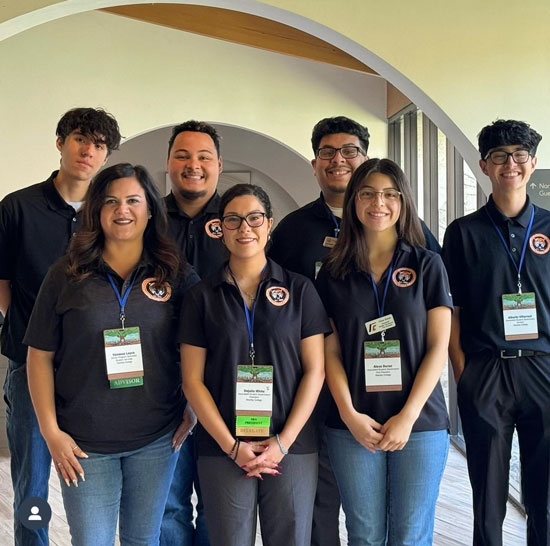
SSCCC General Meeting
Year
Session
Resolution Title
Spring
2024
2024
Spring
S24.01.02 Barrier Free Access to Opportunities for Undocumented Students
Status

The SSCCC remains deeply committed to advocating for undocumented students. As part of its 2024–2025 legislative priorities, the SSCCC has prioritized expanding access to employment opportunities for undocumented students across the California Community College system.

In collaboration with legislators and the Chancellor’s Office, the SSCCC is actively exploring funding sources to support programs and grants that directly serve undocumented students. The SSCCC’s 2024–25 bill package includes proposals to broaden access to financial aid applications regardless of immigration status and to establish on-campus workforce opportunities funded through resources accessible to undocumented students.

In addition, the SSCCC’s budget requests include targeted emergency grant funding to address the specific challenges faced by undocumented students and ensure they receive the support necessary to succeed in their academic journeys.

Spring
2024
2024
Spring
S24.01.01 Fair Catalog Rights Policy
Status

A task force of the California Community College Curriculum Committee recommended revisions to the academic renewal policies, which are under review by Chancellor’s Officer legal counsel. Once reviewed, the revisions will move to the Consultation Council for discussion and the Board of Governors for consideration.  

Spring
2024
2024
Spring
S24.02.23 Guaranteeing Student Voting Seats on All Curriculum Committees
Status

The SSCCC strongly supports this resolution and affirms the importance of ensuring that students have a meaningful role in shaping and impacting the curriculum they are taught. As part of this commitment, the SSCCC will work collaboratively with the Academic Senate for California Community Colleges (ASCCC) to explore appropriate mechanisms for strengthening student representation in curriculum development processes.

In addition, we will seek recognition of student voices as a matter of “reasonable consideration” under Title 5 §51023.7, ensuring that students are not only present but actively empowered in curriculum decision-making processes that directly impact their educational experience.

Spring
2024
2024
Spring
S24.02.19 Defining Universal Basic Needs within the California
Status

The Governor established an Intersegmental Working Group on Student Basic Needs to address this issue:
 Intersegmental Working Group on Student Basic Needs Working Group Recommendations and Resources (PDF)

The SSCCC Board of Directors appointed a student representative to serve on this group and formally adopted the working group’s definition of basic needs in October 2021.

Spring
2024
2024
Spring
S24.02.20 Comprehensive Student Equity Plans
Status

The SSCCC supports the intent of this resolution to strengthen institutional accountability in advancing equity across the California Community College system. We will advocate for the California Community Colleges Chancellor’s Office to explore avenues—such as statutory change, amendments to Title 5, or other binding system-wide regulations, that would require every community college to develop a Student Equity Plan with meaningful analysis and action steps to support equity for all demographic groups identified in Education Code §78220.

Additionally, the SSCCC supports the inclusion of intersectional data, where feasible, to ensure that equity planning addresses the unique experiences of students with multiple marginalized identities. We remain committed to elevating this issue through legislative, regulatory, and policy channels to promote long-term structural change in support of student equity.

Spring
2024
2024
Spring
S24.02.22 Developing High Quality Support Programs for Disabled College Students
Status

The SSCCC remains deeply committed to advancing disability inclusion and equity throughout the California Community College system, including the development of high-quality programs that serve students with disabilities. As part of this commitment, we have already met with Assemblymember Addis’ office to discuss the experiences of students supported by Disabled Students Programs and Services (DSPS). We will continue these important conversations in the fall.

While the SSCCC was unable to formally advance this resolution during the current cycle due to limited capacity and competing priorities, we are actively exploring opportunities to incorporate its goals into our ongoing advocacy and programming efforts.

Spring
2024
2024
Spring
S24.02.18 Multilingual Student Worker Pay
Status

The SSCCC did not pursue this resolution during the current cycle due to limited capacity and competing organizational priorities.

Spring
2024
2024
Spring
S24.02.13 Mental Health Visibility and Transparency
Status

The SSCCC will continue to advocate for increased transparency and accountability in mental health services across California Community Colleges. We support efforts to encourage colleges to report expenditures and outcomes as a means to strengthen their capacity to screen students and provide adequate, data-informed support.

Additionally, the SSCCC will continue to promote the visibility of on-campus mental health and screening services, along with the transparent sharing of relevant data. These efforts are essential to reducing stigma, increasing awareness, and addressing the ongoing mental health crisis impacting students throughout the community college system.

Spring
2024
2024
Spring
S24.02.12 Human Trafficking Awareness
Status

The SSCCC did not pursue this resolution during the current cycle due to limited capacity and competing organizational priorities. However, we recognize the importance of raising awareness and taking action to prevent human trafficking within our campus communities. We continue to support efforts that encourage a systemwide human trafficking awareness campaign, uplift student-led prevention initiatives, and promote the regular evaluation and improvement of campus-based programs informed by student, faculty, and staff feedback. As part of our ongoing commitment, the SSCCC will explore the development of a human trafficking prevention toolkit in the next term to support these efforts statewide.

Spring
2024
2024
Spring
S24.02.11 Enhancing Accessibility of Menstrual Products on Campus
Tool Kit
Status

In response to this resolution, SSCCC is pleased to share that the Menstrual Equity Toolkit has been updated to include resources that support the implementation of both QR code-enabled and physical poster signage. These resources are designed to help colleges place clear, accessible maps in high-traffic areas—such as student lounges, cafeterias, and bathrooms—indicating where students can access free menstrual products on campus.

The toolkit also includes recommendations for installing signage in all campus bathrooms, with guidance on incorporating QR codes that link to digital campus maps. These updates are intended to improve visibility, promote access, and support campuses in meeting students' basic needs with dignity and equity. We encourage student leaders to utilize the toolkit in their advocacy efforts and share it widely with campus partners.

Spring
2024
2024
Spring
S24.02.10 Extending the California College Promise Programs to Three years
Status

The SSCCC remains committed to advocating for policies that make college more accessible and supportive for all students. We will continue to advocate in partnership with the Chancellor’s Office to expand the California College Promise Program to three years for all eligible students, reducing financial barriers to completing a community college education.

Additionally, the SSCCC will continue to support efforts to ensure that all California Community Colleges receive and effectively utilize mental health funding to provide sustainable, accessible mental health screening services. These priorities remain central to our commitment to advancing student success and well-being across the system.

Spring
2024
2024
Spring
S24.02.09 Fifty Percent Law, Education Code 84362 and California Code of Regulations Section 59200
Status

No action is required at this time, as the legislation was not included in the 2024–25 legislative cycle. The SSCCC provided public comment during the legislative oversight hearing on the 50% law held this term. We will continue to monitor developments related to the 50% law and remain committed to advocating for the concerns outlined in the resolution.

Spring
2024
2024
Spring
S24.02.08 Student Stipend and Recognition
Status

SSCCC staff surveyed stipend practices across California community colleges, building on existing information to support the development of a Student Body Association (SBA) Stipend Toolkit. Unfortunately, only about 30 colleges responded, limiting the usefulness of the data. In the 2025–26 academic year, staff will continue outreach efforts to secure responses from at least 75% of the 116 colleges.

Once more comprehensive data is collected, the toolkit will include:

  • Talking points highlighting the importance of providing stipends to student leaders;
  • Letter templates to administrators featuring comparative data from other colleges; and
  • A copy of the Chancellor’s Office legal opinion regarding the use of Student Representation Fees (SRF) for stipends.

Stay tuned for updates and opportunities to support this important advocacy initiative.

Spring
2024
2024
Spring
S24.02.07 LGBTQIA+ Inclusivity
Tool Kit
Status

In response to this resolution, the SSCCC is pleased to share that the LGBTQ+ Inclusivity Toolkit has been developed to support student leaders and college communities in advancing visibility, inclusion, and equity for LGBTQIA+ students. The toolkit includes resources to encourage participation in Pride Week celebrations, promote campus-wide visibility efforts (including updated Pride flags), and advocate for comprehensive training programs that foster culturally responsive and affirming environments.

We recognize that the work of inclusion is ongoing. As such, the toolkit will continue to be updated to reflect evolving best practices, community needs, and student-led advocacy efforts. We encourage all community college constituents to utilize and share the toolkit in support of creating welcoming, affirming, and inclusive spaces for all students.

Spring
2024
2024
Spring
S24.02.14 Teleconferencing Amending AB 2449
Status

In 2024 - 25, the SSCCC sponsored AB 409 (Arambula), which extends the sunset date of our previously passed legislation, AB 1855 (Aramblua). This law allows Student Body Associations (SBAs) to seek a resolution from their Board of Trustees permitting student officers to withhold their personal address from public disclosure, enhancing student privacy and safety.

Spring
2024
2024
Spring
S24.02.04 Office Hours: Part-Time Faculty Proportionality
Status

In response to the resolution to support the development of a toolkit promoting equitable access to office hours for students taught by part-time faculty, SSCCC staff has begun outlining key components for inclusion. The toolkit is designed to assist student leaders in advocating for the establishment or expansion of Community College Part-Time Faculty Office Hours Programs, as authorized under Education Code §§ 87880–87885.

The draft contents of the toolkit include:

  • An email template encouraging the creation of part-time faculty office hours programs, which can be sent to college administrators or district representatives.
  • A letter template for requesting to be added to Academic Senate meeting agendas, along with a presentation to support student advocacy during those meetings.
  • A fact sheet/flyer highlighting the correlation between student access to faculty office hours and improved academic success.

The toolkit is currently in development, and we look forward to sharing a finalized version in the coming months to support local advocacy efforts systemwide.

Spring
2024
2024
Spring
S24.02.06 Needs Based Parking Permit
Status

In alignment with the resolution to support the development of a toolkit promoting equitable access to parking through needs-based permit programs, SSCCC staff has outlined key components for inclusion. The toolkit aims to empower student leaders to advocate for parking policies that consider students’ financial challenges and promote basic needs equity on campus.

The draft contents of the toolkit include:

  • Factual information and statistics related to student basic needs and the financial burden of parking costs.
  • Examples of colleges that have implemented or piloted needs-based parking programs, such as Grossmont and Cuyamaca Colleges.
  • A directory of Basic Needs Center contacts for each California Community College to support local collaboration.
  • Template letters for Student Body Associations (SBAs) to use in advocacy efforts with campus administration and governance bodies.

References to relevant legislative initiatives and SSCCC resolutions, including AB 1818 and past SSCCC policy positions.Development is in progress, and the toolkit will serve as a valuable resource for students advocating for more affordable and equitable parking solutions across the system.

Spring
2024
2024
Spring
S24.03.02 Addressing Systemic Inequity Through Pay Frequency Increase
Status

The SSCCC did not advance this resolution during the current cycle due to limited capacity and competing priorities. However, we recognize the importance of addressing systemic inequities faced by student workers across the California Community College system. We remain committed to supporting efforts that promote equity in student employment and will consider opportunities in future cycles to collaborate with the Chancellor’s Office on initiatives such as a statewide survey and the development of an equity-focused employment plan similar to an Equal Employment Opportunity (EEO) framework.

Spring
2024
2024
Spring
S24.03.01 Expanding Emergency Support Programs for Unhoused California Community Colleges Students
Tool Kit
Status

While the SSCCC was unable to advance this resolution during the current cycle due to limited capacity and competing priorities, we remain strongly committed to addressing housing insecurity. We will continue to explore opportunities to incorporate the resolution’s goals into future advocacy and programming efforts.

In the meantime, we encourage you to explore the resources in our Housing Advocacy Toolkit, available at this link

Spring
2024
2024
Spring
S24.02.24 Car Seats for all California Community College Campuses for Emergency Use
Status

The SSCCC did not pursue this resolution during the current cycle due to limited capacity and competing organizational priorities.